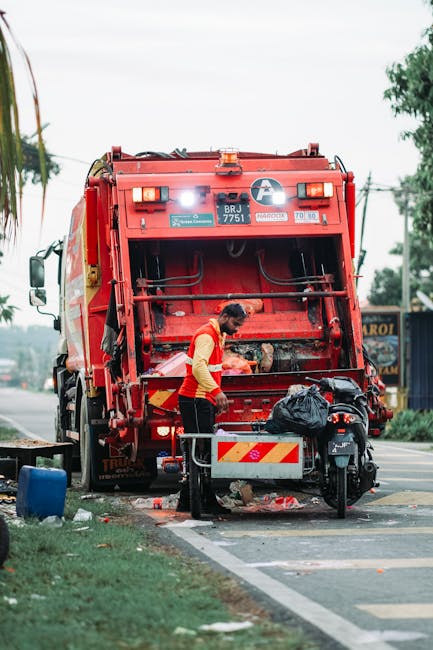
Waste removal for Brixton Academy events and gigs
Posted on 17/07/2026
When the lights go down and the last encore fades at Brixton Academy, the work is often only half done. Crushed cups, takeaway cartons, cable ties, promo flyers, staging offcuts, and the odd mystery item under a seat can pile up fast. Waste removal for Brixton Academy events and gigs is about getting that aftermath cleared safely, quickly, and without turning a packed night into a messy morning. If you are running a show, managing a venue crew, or supporting an event production team, a tidy post-event plan can save stress, time, and honestly a fair bit of money.
In a busy part of London like Brixton, timing matters. You are dealing with tight access, neighbours nearby, back-to-back bookings, and the simple fact that the next event may be close behind. This guide breaks down how event waste clearance works, what to arrange before doors open, and which practical details people usually miss. It is written to help you make sensible decisions, not just tick boxes.

Why waste removal for Brixton Academy events and gigs matters
Concerts create waste in layers. First comes the visible stuff: drink containers, paper menus, programmes, packaging, and food leftovers. Then there is the less obvious material that builds up during load-in and load-out: broken displays, cardboard, timber packaging, damaged props, cable wrap, event signage, and backline packaging. If nobody plans for it, all of that gets in the way at the worst possible time.
At a venue like Brixton Academy, the volume and pace of activity make rubbish removal more than a housekeeping job. It becomes part of crowd safety, staff efficiency, and venue reputation. A cluttered floor is awkward for cleaning teams, but it can also create trip hazards, slow down turnaround, and make it harder for security and operations teams to do their jobs properly. That matters whether the event is a live gig, a private hire, a brand activation, or a touring production.
There is also a public-facing side to it. Guests notice when bins overflow, when recycling is mixed with general waste, or when the street outside looks like a wind tunnel of paper cups. To be fair, most people do not come to a gig to inspect refuse systems. But they do remember how the space felt. Clean, calm, well-managed? That sticks.
For organisers, the main point is simple: better event waste removal helps the night run smoother and the venue reset faster. It is one of those behind-the-scenes jobs that only becomes obvious when it goes wrong.
How waste removal for Brixton Academy events and gigs works
Good event waste management usually starts before the first guest arrives. The best setups do not wait until after the encore. They plan collection points, identify waste streams, and work out how rubbish will be moved without blocking staff routes or customer areas.
In practice, the process often looks like this:
- Pre-event planning: Decide what waste types are likely to appear, how much space there is for storage, and where the collection route will be.
- On-site sorting: Use clearly placed bins or sacks for general waste, recycling, and any bulky items that need separate handling.
- Steady removal during the event: Rather than waiting for a mountain of rubbish, crews clear designated points in stages. This keeps the venue tidy and less frantic.
- Load-out and post-event clearance: Once guests leave, larger items, packaging, and accumulated rubbish are removed quickly so cleaning can finish the reset.
- Final disposal and recycling: Waste is taken to the right facility or transfer point, with recoverable materials separated where possible.
The exact workflow depends on the gig size and the venue layout. A sold-out show with merch tables, bar waste, and staging debris needs a more detailed plan than a small club night. Still, the principle stays the same: clear as you go, separate what can be recycled, and keep movement routes open.
If you are managing a wider set of commercial needs around the event, it can help to look at commercial waste removal in Brixton as part of a broader operations plan. For event teams that need ongoing support across different spaces, the services overview is also a sensible place to start.
Key benefits and practical advantages
There are the obvious benefits, and then there are the ones people only appreciate after a busy event weekend. Here are the big wins.
- Faster venue turnaround: The sooner rubbish is removed, the sooner the room can be cleaned, checked, and reset for the next booking.
- Safer working conditions: Fewer loose boxes, sharp edges, and spill risks means fewer accidents for staff and contractors.
- Better guest experience: Clean walkways, clearer exits, and tidy communal spaces make a surprising difference to how polished the event feels.
- Improved recycling performance: Proper sorting increases the chance that cardboard, bottles, and other suitable materials are handled correctly.
- Less pressure on in-house staff: Security, bar teams, and venue managers have enough to do without acting as ad hoc waste crews after midnight.
- Reduced neighbour impact: Quick, quiet removal helps minimise late-night disruption around the venue and surrounding streets.
There is also a planning benefit that gets overlooked. Once you know your waste stream, you can estimate staffing, equipment, and vehicle needs more accurately. That makes quotes easier to compare and reduces those slightly painful surprises where everyone assumes "it will only be a few bags" and then, well, it is definitely not a few bags.
For teams focused on sustainability, linking event disposal with broader recycling and sustainability practices is a sensible move. It makes the process cleaner operationally and easier to explain to stakeholders.
Who this is for and when it makes sense
This kind of service is not just for large-scale tours. It is useful anywhere events generate mixed waste, awkward materials, or tight turnaround pressures.
You may need support if you are:
- a venue manager organising regular gigs
- an event producer handling one-off shows or live recordings
- a promoter coordinating multiple suppliers and crew teams
- a stage or production company dealing with packaging and strike waste
- a hospitality team supporting bar service, VIP areas, or merchandising
- a facilities lead who needs the building cleared before the next day's operations
It also makes sense when the waste mix is varied. A gig can produce general rubbish, cardboard, food waste, bottle waste, damaged decor, and sometimes heavier items like broken furniture or unwanted fixtures. If the event includes temporary structures or backstage setup, there may even be a bit of builders-style debris involved. In those cases, a related service such as builders waste disposal in Brixton may be relevant alongside event clearance.
Sometimes the need is short-term and obvious. Other times it is more operational. You know, the kind of situation where the venue is technically clean enough, but not clean enough to open again without a proper sweep through the corners and loading areas.
Step-by-step guidance
If you want waste removal to run smoothly around Brixton Academy events and gigs, structure helps. The good news is that the process is straightforward once someone owns it.
1. Walk the venue before the event
Look at entrances, exits, bar zones, merch areas, backstage corridors, and any route the collection team might need to use. The point is to spot bottlenecks before they become a headache at 11.30 pm.
2. Identify the waste streams
Separate likely waste into simple categories: general waste, recyclable cardboard, bottles and cans, food waste, and bulky items. If something is sharp, wet, or unusually heavy, flag it early.
3. Decide where bins and sacks will live
Bins that are too close to doors get in the way. Bins that are too far away get ignored. Place them where people actually move. Near bar exits, by merchandise points, and at the edges of backstage areas tends to work well.
4. Assign who clears what
Do not assume the same team will handle everything. Bar staff, stewards, cleaning crews, and contractors each need a clear role. A quick handover sheet can save a lot of confusion later.
5. Schedule collection timing
Collection may be needed before doors open, between set changes, after the crowd leaves, or early the next morning. The timing depends on access and how much traffic the route will handle. In busy London settings, timing is everything, honestly.
6. Confirm the disposal route
Waste should go to the correct facility or be handled through the appropriate licensed chain. Keep paperwork and load notes where needed so nothing gets lost in the rush.
7. Do a final sweep
After collection, check corners, under seating, behind temporary bars, and around loading bays. That last five percent always takes longer than expected.
If the job involves bulky items such as chairs, counters, shelving, or staging furniture, a more specific service such as furniture removal in Brixton can be a better fit than a general collection alone.
Expert tips for better results
Most waste headaches at live events come from preventable little things. The list below is simple, but it works.
- Label bins clearly and make them obvious: People will use the nearest bin that looks understandable. If it is ambiguous, they will guess. Usually badly.
- Keep one clean route for staff movement: A single clear corridor for collection saves time and keeps public areas calmer.
- Use sacks and containers that match the volume: Too small means constant emptying. Too large means awkward lifting and messy overfilling.
- Separate recyclables at the source: It is easier than sorting a mixed heap after the show. Far easier.
- Plan for wet waste near bars: Drinks spill. Ice melts. Floors get sticky. Build that into your clean-up logic.
- Prepare for back-to-back pressure: If the next event is close behind, the clearance crew needs priority access and a firm finish time.
A small but useful habit is to do one quick mid-event check from the customer side and one from the crew side. They are never the same perspective. Not even close. What looks fine from the stage door may be a complete bottleneck near the bar.
For teams that want a clearer route to pricing and scheduling, it can help to review pricing and quotes before the event season gets busy.
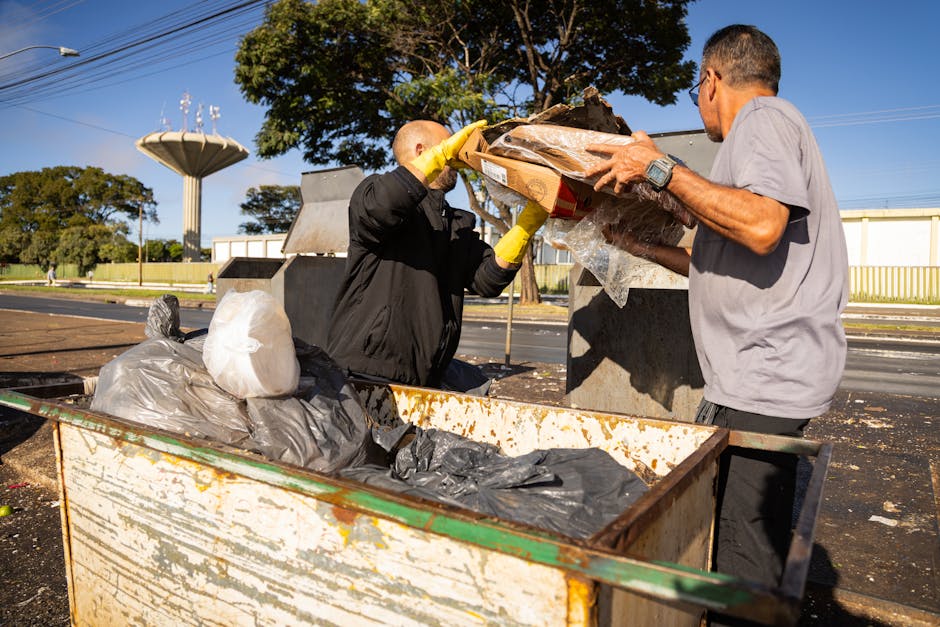
Common mistakes to avoid
It is easy to get waste handling wrong at live events because everything is moving fast. Here are the mistakes that cause the most trouble.
- Leaving waste planning until after the event: By then, you are reacting instead of managing.
- Mixing recycling and general waste: This makes sorting harder and can reduce recovery opportunities.
- Blocking access routes: Waste stacked in corridors slows the whole team down and can create safety issues.
- Underestimating load-out volume: Packaging and hidden rubbish always add up. Always.
- Forgetting fragile or sharp waste: Broken glass, snapped timber, and metal edges need careful handling.
- Using the wrong type of clearance service: Some event waste is simple rubbish collection; some requires a broader waste clearance or specialist disposal approach.
One common error is assuming the venue cleaning team and the external waste crew will automatically coordinate themselves. They might, if they know each other well. But "might" is doing a lot of work there. A clear briefing avoids crossed wires, especially when the venue is dimly lit, loud, and full of people trying to leave at the same time.
For more one-off or mixed clearances, a general waste clearance in Brixton service can cover situations where event debris is not limited to just bags of rubbish.
Tools, resources and recommendations
You do not need a truck full of fancy kit to manage event waste well. A small set of practical tools usually does the job.
- Colour-coded sacks or labels: Helps staff separate waste quickly.
- Heavy-duty bins or containers: Useful near bars, catering points, and entrances.
- Gloves and basic handling gear: Especially important for sharp or dirty waste.
- Trolleys or dollies: Handy for moving bulky bags through long corridors.
- Simple site map: Marks waste points, exit routes, and collection access.
- Shift notes or a handover sheet: Keeps everyone aligned when the night changes pace.
Useful supporting services may also include rubbish collection in Brixton for routine pickups, or waste disposal in Brixton when material needs a more structured end point. If your event has damaged seating, old displays, or unused backstage pieces, furniture disposal in Brixton may be the better route.
And for teams dealing with appliances or temporary catering kit, white goods and appliance disposal in Brixton can be relevant too. It depends on the event. A gig with a full bar and prep area can generate more than just cups and cardboard, as anyone who has done a midnight clear-out knows.
Law, compliance, standards and best practice
Waste handling around events is not only about tidiness. In the UK, it also sits within a wider duty of care mindset: rubbish should be stored, moved, and passed on responsibly. That usually means working with a licensed waste carrier, keeping the right records where required, and making sure waste does not end up being handled by someone who is not properly set up for it.
For venue teams, best practice usually includes:
- using a waste carrier with proper licensing and traceability
- separating recyclable materials where practical
- keeping access routes clear for staff and emergency movement
- handling sharp, heavy, or contaminated waste with extra care
- storing waste so it does not attract pests, odour, or spillage issues
If you want a clearer view of how a provider approaches these responsibilities, the page on waste carrier licence and compliance is worth reading. It explains the sort of standards you should expect from a professional service.
Safety matters too. Load-outs can be busy, and venues are full of moving parts: cables, steps, back corridors, and people carrying awkward items. That is why it makes sense to consider insurance and safety as part of the planning, not as an afterthought once something has already gone wrong.
And if your event uses temporary structures or any setup that feels halfway between venue work and site work, the right approach may overlap with builders waste disposal in Brixton. The line is not always neat. Event production can be a little messy like that.
Options, methods and comparison table
Different events need different waste removal methods. The right choice depends on waste volume, timing, access, and how much sorting you want to do on site.
| Method | Best for | Strengths | Limitations |
|---|---|---|---|
| On-site bin and sack clearing | Smaller gigs and steady bar waste | Simple, quick, easy to manage during the night | Less suitable for bulky or mixed waste |
| Post-event bulk collection | Load-out waste and final venue reset | Efficient for packaging, cardboard and accumulated rubbish | Needs space and a clear access window |
| Split-stream sorting | Events with recycling targets | Improves separation and recovery | Requires clearer staff briefing |
| Specialist bulky-item clearance | Furniture, staging items, damaged fixtures | Handles heavier or awkward objects safely | May need additional planning and lifting support |
If your event is essentially a one-off strip-out after a season or a venue refresh, the line between event waste and general clearance blurs. In those cases, services like office clearance in Brixton or even house clearance in Brixton can sometimes be relevant if the job is more about removing accumulated items than just removing event litter. Different tools for different jobs.
Case study or real-world example
Imagine a mid-size live show with bar service, merch sales, and a last-minute stage rearrangement. By the time the headline act finishes, the venue has mixed waste in several places: drink cups by the rails, cardboard behind merch, packaging from backline gear, and a small pile of broken display material near the loading area.
If nobody has pre-planned waste removal, the clean-up becomes a domino effect. Bar staff are still closing tills. Security wants the audience out. The production team is hunting for missing kit. The cleaners are trying to start while people are still moving around. It is noisy, slightly chaotic, and not much fun. You know the scene.
With a proper waste removal plan, the same venue does things differently. Bins are positioned where they will actually be used. Recycling is separated during the show. Bulk sacks are collected in stages. The final load-out happens through one agreed route. Instead of four teams improvising, one team coordinates the waste flow and the venue gets back to ready state much more quickly.
That is the real value here. Not glamour, not big claims. Just a cleaner, calmer, more workable end to a long night.
Practical checklist
Use this before the event, during load-out, or when briefing your crew.
- Have you identified likely waste types in advance?
- Are recycling and general waste separated where practical?
- Have you marked safe collection routes for staff?
- Do you know when the waste team can access the building?
- Have you checked whether bulky items need separate handling?
- Is there a final sweep plan for corners, under seating, and backstage areas?
- Have you confirmed who is responsible for handover and sign-off?
- Are safety and lifting risks covered in the briefing?
- Is the disposal route appropriate for the waste stream?
- Do you have a backup plan if the load-out runs late?
That last one matters more than people like to admit. Live events are unpredictable. A strict plan is great. A flexible one is better.
Get a free quote today and see how much you can save.
Conclusion
Waste removal for Brixton Academy events and gigs works best when it is treated as part of the event operation, not a clean-up afterthought. The smartest setups plan access, sort waste sensibly, brief staff clearly, and choose a disposal method that matches the real workload rather than the hoped-for one. That approach keeps the venue safer, the turnaround faster, and the whole night a lot less fraught.
If you are coordinating regular shows or a one-off event, the most useful next step is simple: map the waste, decide who owns each part of the process, and make sure the collection plan fits the venue's rhythm. Small details, big difference. And when it all runs smoothly, people rarely notice. Which, let's face it, is often exactly the goal.
A tidy venue leaves room for the music to be the thing people remember.