Brixton SW9 rubbish clearance for Loughborough Estate
Posted on 09/08/2026
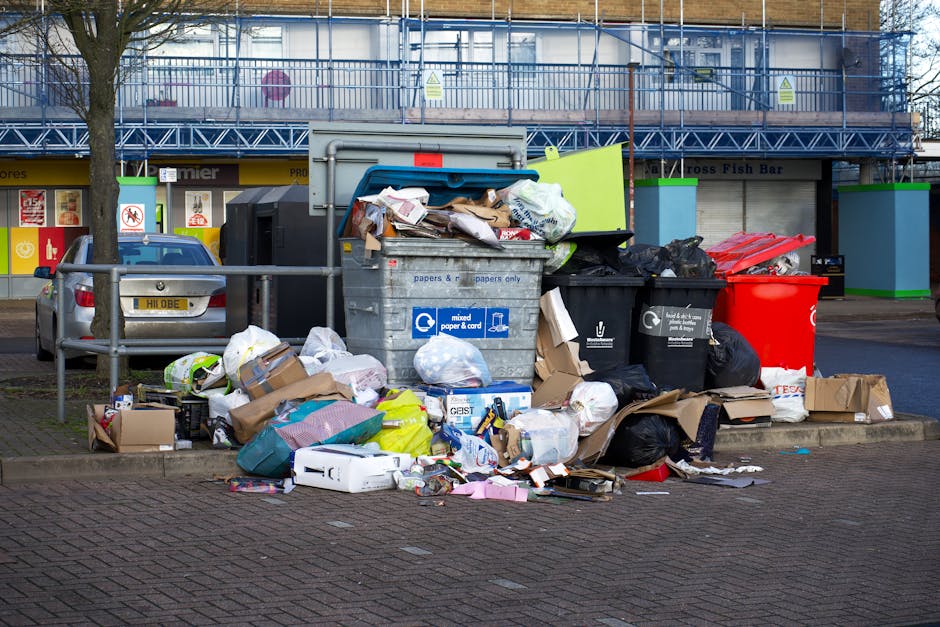
Brixton SW9 rubbish clearance for Loughborough Estate: a practical local guide
If you live or work around Loughborough Estate, rubbish can build up quickly. A broken wardrobe in the hallway, flat-pack packaging after a move, old furniture in the lift lobby, or a run of builder's waste after a refresh - it all becomes a nuisance faster than you expect. Brixton SW9 rubbish clearance for Loughborough Estate is about clearing that clutter safely, sensibly, and without turning your day into a logistics puzzle.
This guide explains how local rubbish clearance usually works, what to watch out for, how to choose the right approach, and where the real value lies. If you want a clearer flat, a tidier communal space, or just a less stressful week, you're in the right place. Let's keep it practical.
Why Brixton SW9 rubbish clearance for Loughborough Estate Matters
Loughborough Estate has the kind of everyday rhythm that makes rubbish clearance feel more urgent than it might elsewhere. Flats, shared entrances, limited storage, tight stairwells, and busy foot traffic all mean that one bulky item can become a bigger issue than it looks at first glance. If you leave waste sitting around, it can affect access, create unpleasant smells, and make a shared space feel untidy very quickly.
There is also the simple reality of London living: space is precious. Most people do not have a spare shed or garage to hide old sofas, dead appliances, or renovation debris. That means rubbish needs to move on promptly. Not tomorrow, not next week if you can help it. Now is better.
For residents, landlords, managing agents, and local businesses, proper clearance also helps avoid awkward conversations with neighbours and building management. You'll notice the difference straight away: corridors feel easier to use, communal areas look cared for, and the whole place just breathes a bit more.
When people search for local help, they often want more than a man-and-van with a trailer. They want a service that understands access issues, handling, sorting, lifting, and disposal. In a place like Brixton, that practical awareness matters. If you are looking for a broader local service framework, it can be helpful to review the full services overview alongside the specific clearance you need.
How Brixton SW9 rubbish clearance for Loughborough Estate Works
In most cases, rubbish clearance follows a fairly straightforward pattern. You explain what needs removing, the team assesses the job, a collection window is agreed, and the waste is taken away for sorting and disposal. Simple on paper. In real life, the details matter: stairs, parking, lift access, volume, and what kind of waste you actually have.
For a flat clearance or a mixed household job, the process often begins with identifying the main categories. For example:
- general rubbish and bagged waste
- furniture such as sofas, tables, wardrobes, or shelving
- white goods like fridges, freezers, or washing machines
- loft or storage-space items
- garden waste, if you have a small outside area
- builder's debris from decorating or light renovation work
If you are dealing with a household move, a tenancy end, or a larger spring clean, house clearance support in Brixton is often the most direct option. For bulky items only, furniture-specific help can be cleaner and more efficient, especially if you are trying not to disturb the rest of the flat.
Most good clearance jobs are built around access. That is especially true around estate living, where entrances can be shared and parking may be tight. If the team knows what they are dealing with, there are fewer delays and fewer surprises. Nobody enjoys discovering a three-seater sofa will not fit through a narrow landing at 4 p.m. on a wet Tuesday. Well, nobody sane anyway.
For heavier mixed waste or fly-tip style clearances, it is worth thinking in terms of disposal rather than collection alone. A useful local reference point is waste disposal in Brixton, which helps frame the job around lawful handling, sorting, and onward processing.
Key Benefits and Practical Advantages
The most obvious benefit is a cleaner space, but that barely scratches the surface. Good rubbish clearance saves time, reduces stress, and prevents minor mess from becoming a bigger one. That is especially helpful in shared housing or estate environments where small delays can affect a whole block.
Here are the practical wins people usually notice first:
- Less disruption: one visit can remove multiple items at once.
- Safer access: clear hallways, landings, and communal areas reduce trip hazards.
- Better presentation: useful for landlords, sellers, and tenants preparing for inspections.
- Less lifting for you: heavy or awkward items are handled properly.
- Improved recycling outcomes: reusable materials can be separated where possible.
- Faster turnaround: helpful when a move-out or refurbishment is on a deadline.
There is also a quieter benefit people sometimes overlook: mental breathing space. A cluttered room can make everything feel unfinished. Once it is gone, the room can feel like yours again. Funny how that works, really.
If you want clearance tied to responsible handling and lower waste impact, have a look at recycling and sustainability practices. It is a good reminder that not everything has to go straight to landfill just because it is old or damaged.
Who This Is For and When It Makes Sense
This kind of service is useful for a wide range of people in and around Loughborough Estate. It is not just for big house moves or renovations. In truth, it is often the smaller, ordinary situations that create the most frustration.
You may need clearance if you are:
- moving into or out of a flat
- clearing a deceased relative's belongings with care
- preparing a rental property for new tenants
- dealing with a storage cupboard, loft, or spare room that has become overcrowded
- replacing furniture or white goods
- tidying after light building work
- running a local business and clearing unwanted office waste
For households, the most common trigger is a life change: a move, a breakup, a new baby, or a long-overdue sort-out. For landlords, it is usually turnover. For office users, it is often the result of old desks, broken chairs, filing cabinets, or a general reset after downsizing. In those cases, office clearance in Brixton can be the most sensible route.
If your job sits somewhere between a full house clearance and a simple one-off collection, a broader waste clearance service may be the best fit. That middle ground is often where people get the best value. Not too much, not too little.
Step-by-Step Guidance
Here is a practical way to plan the job without overcomplicating it.
- List what needs removing. Be specific. "Two wardrobes, one mattress, four black bags, and some broken shelving" is much more useful than "a bit of stuff."
- Separate the waste by type. Furniture, electricals, green waste, and general rubbish are easier to manage when sorted.
- Check access. Note stairs, lift availability, parking restrictions, and any time limits in the building.
- Measure larger items. It sounds obvious, but it avoids last-minute problems with oversized furniture or appliances.
- Decide what can be reused or donated. If items are in decent condition, keep them separate.
- Arrange the collection window. Pick a time that works with your neighbours and building access, if applicable.
- Clear a route. Make sure the path from the flat to the exit is as open as possible.
- Confirm disposal expectations. You want to know the waste will be handled lawfully and sensibly.
For furniture-heavy jobs, it is worth reading about furniture removal in Brixton before you book. That way, you know whether the items should be treated as mixed waste, furniture-only, or a broader household clearance.
A small tip from experience: do not wait until the hallway is packed before asking for help. Once the pile spreads, the job usually feels bigger than it is. And then somehow the kettle is on, the phone is ringing, and the sofa is still there. Classic.
Expert Tips for Better Results
If you want the process to go smoothly, a little preparation goes a long way. The best clearance jobs are rarely the ones with the biggest budget. They are the ones that are organised, realistic, and clear about what is being removed.
- Take photos before the collection. It helps with quoting and avoids misunderstandings about volume.
- Keep hazardous items separate. Do not mix unknown liquids, chemicals, or sharp objects into ordinary rubbish.
- Bundle similar materials together. Cardboard with cardboard, metal with metal, furniture with furniture. It speeds things up.
- Check whether anything is reusable. Some items look scrap at first glance but may still have life left in them.
- Plan around neighbours. Early mornings and late evenings can be awkward in shared blocks.
- Ask about treatment of appliances. White goods need careful handling, especially fridges and freezers.
For appliance-heavy jobs, white goods and appliance disposal is worth considering separately. It keeps the job neater and reduces the chance of something ending up in the wrong stream.
If you are clearing after work on a property or renovation project, builders' materials need a different mindset. Even a small pile of rubble, plasterboard, timber offcuts, or packaging can get messy fast. A dedicated approach like builders' waste disposal in Brixton usually makes more sense than treating it as standard household rubbish.
Common Mistakes to Avoid
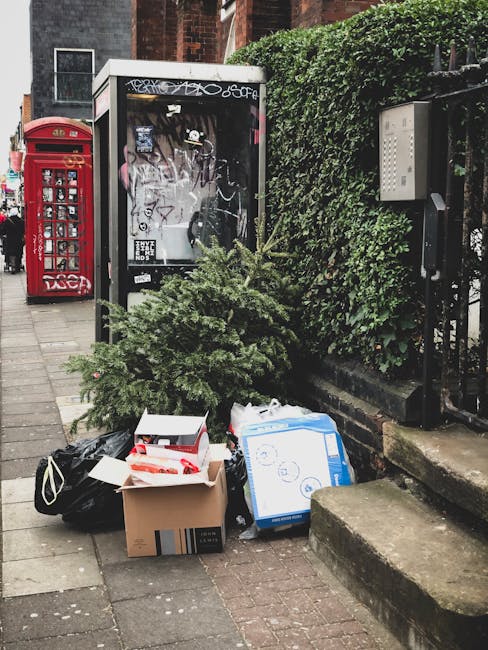
A lot of clearance problems are avoidable. Most of them come down to poor planning or assuming every item can be handled the same way. That is where people get caught out.
- Leaving everything until the last minute. This is the big one. It makes decisions rushed and stress levels higher.
- Not checking access. A collection team needs to know about parking, stairs, lifts, and entry codes.
- Mixing waste types. General rubbish, electrical items, and building waste often need different handling.
- Forgetting about communal spaces. If items block an entry or landing, even briefly, it can create friction.
- Assuming cheap is best. Lowest price is not always the best value if the service is vague or careless.
- Skipping compliance checks. If the provider is not set up properly, the risk lands on you more than you might think.
There is another small mistake people make: they underestimate how much volume old stuff actually takes up. One wardrobe looks manageable. Three wardrobes plus a bed plus packaging suddenly looks like a moving van exploded in the lounge. Not ideal.
Tools, Resources and Recommendations
You do not need much in the way of equipment for a normal clearance job, but a few practical tools help a lot. Most of the work is about preparation rather than gadgets.
- Strong bags or boxes: useful for small loose items.
- Marker tape or labels: good for identifying what is staying and what is going.
- Measuring tape: essential for large furniture or awkward stairwells.
- Gloves: sensible for sorting dusty lofts, storage cupboards, or mixed waste.
- Phone camera: handy for documenting what needs removing.
- Basic cleaning kit: once the waste is gone, a quick sweep or wipe-down finishes the job properly.
If you are comparing services, a good place to start is pricing and quotes. It helps to know how estimates are approached before you commit. No one likes mystery charges. Nobody.
For those looking at a wider range of services beyond a single clear-out, rubbish collection in Brixton can be useful for smaller, more routine disposal needs. It may suit the odd item better than a large clearance booking.
Law, Compliance, Standards, or Best Practice
Waste handling in the UK should be done carefully and by a provider that follows proper carrier and disposal practices. You do not need to know every line of regulation to make a sensible decision, but you should expect lawful transport, proper sorting, and responsible onward disposal.
In practical terms, that means checking whether the provider operates with the right waste carrier arrangements, handles items appropriately, and can explain what happens to the waste after collection. If that sounds basic, it is. But basic is often what keeps things safe and tidy.
For customers, the main best-practice points are simple:
- use a provider that can explain how waste is managed
- avoid leaving waste in shared areas for long periods
- keep hazardous or specialist items separate until they are reviewed
- be honest about the mix and volume of waste
- ask how recyclable items are separated
It is also worth reviewing the company's approach to waste carrier licence and compliance. That page gives a clearer sense of how a responsible service frames its obligations. For peace of mind, there is a lot to be said for that.
Insurance and safety matter too, particularly where heavy lifting, stair carrying, or awkward access is involved. If a job feels risky, it probably needs a more careful plan, not a faster one. The sensible route is to check insurance and safety information before the collection date.
Options, Methods, or Comparison Table
Not every rubbish problem needs the same solution. Here is a simple comparison to help you decide what fits best.
| Option | Best for | Strengths | Watch-outs |
|---|---|---|---|
| One-off rubbish clearance | Mixed waste, bulky items, room clear-outs | Fast, flexible, low admin | Needs clear access and accurate item details |
| House clearance | Moves, estate clear-outs, full-room resets | Comprehensive and efficient | Can be more involved than a simple collection |
| Furniture removal | Sofas, tables, beds, wardrobes | Good for bulky single-item jobs | May not suit mixed waste piles |
| Waste disposal service | General rubbish with lawful disposal needs | Useful for sorting and compliance | Item mix matters |
| Builders' waste disposal | Renovation debris and site leftovers | Built for heavier, messier loads | Not ideal for ordinary household items |
If you are unsure which route to take, think about volume first, then item type, then access. That order works surprisingly well. It saves people from choosing the wrong service just because the name sounded close enough.
Case Study or Real-World Example
Here is a realistic example. A resident in a Loughborough Estate flat is moving out at short notice. The flat has a broken chest of drawers, two old bookcases, a mattress, a few bags of mixed clutter, and a washing machine that no longer works. The hallway is narrow, and the lift is shared, so timing matters.
Instead of trying to do it in several small trips, the resident lists the items, measures the larger pieces, and checks access in advance. They separate the small household clutter from the furniture and appliance. They also make sure the route from the flat to the exit is clear, which saves time on the day.
The result is fairly ordinary in the best possible way: the job gets done without fuss. No damaged walls, no repeated trips, no "where does this go?" confusion, and no rubbish left hanging around after the tenancy ends. The resident can hand the keys back with less stress. That is the real win.
In another case, a small local office needed to clear old desks, chairs, and archived paperwork before a layout change. They chose a more focused office clearance approach rather than treating it as generic rubbish. That difference matters more than people think.
Practical Checklist
Use this checklist before your collection day. It keeps things sane.
- Make a full list of items to remove
- Separate furniture, appliances, and general rubbish
- Measure large items and note access constraints
- Check lift, stairs, parking, and entry details
- Move valuables and documents out of the way
- Set aside anything you want to keep, donate, or sell
- Confirm the collection time and contact details
- Clear corridors and doorways where possible
- Ask how recyclable or reusable items will be handled
- Review the service's terms, payment, and safety information
A tidy checklist now usually means fewer headaches later. Simple, but true.
If you are managing a longer-term clear-out or want to compare different service pages, it can also help to review house clearance options and the wider services overview together, so you are not guessing at the best fit.
Conclusion
Brixton SW9 rubbish clearance for Loughborough Estate is really about making everyday life easier: safer hallways, cleaner rooms, less clutter, and a smoother path through what is often already a busy or stressful moment. Whether you are moving, clearing a flat, replacing furniture, or tidying after works, the best result comes from a clear plan and a service that understands local access and disposal needs.
Keep it simple, stay organised, and do not underestimate how much better a space feels once the waste is gone. Honestly, that before-and-after effect can be a bit of a relief.
Get a free quote today and see how much you can save.
And if you are weighing up the next step, start with the job in front of you, not the whole mountain. One clear room at a time - that is usually enough to change the mood of a whole home.